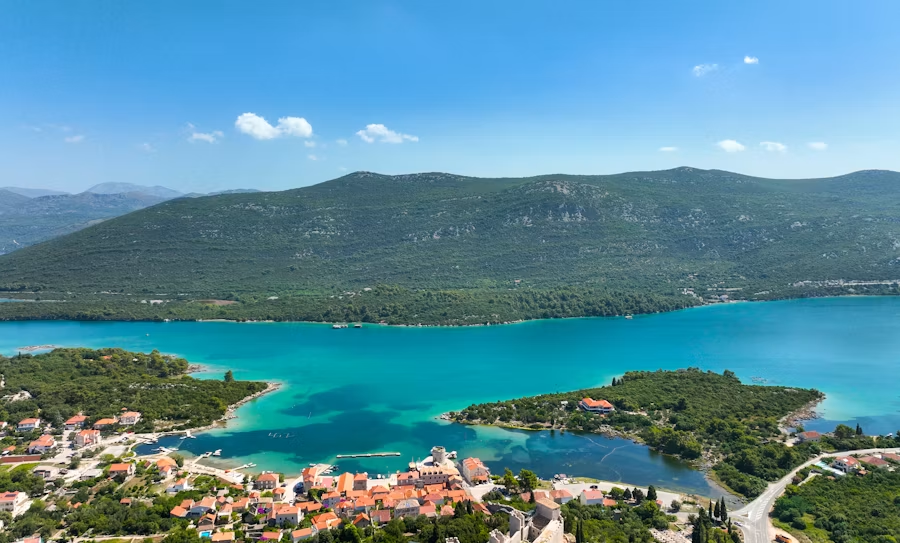
Located at the entrance to Croatia’s Pelješac Peninsula, Ston is one of the Dalmatian Coast’s most underrated destinations. Known for its medieval walls, historic salt pans and world-famous oysters, the town offers a slower and more authentic experience compared to Croatia’s busier coastal hotspots.
Split between the neighbouring settlements of Ston and Mali Ston, the area combines centuries of history with waterfront restaurants, quiet beaches, local wineries and access to some of southern Croatia’s most beautiful scenery. Many travellers pass through Ston on the drive between Dubrovnik and the Pelješac Peninsula, but spending a few days here allows you to experience far more than just a quick oyster stop.
Surrounded by vineyards, olive groves and calm Adriatic water, Ston is ideal for travellers looking for history, food, wine and a quieter side of Croatia.
History of Ston
Ston may be a small coastal town today, but it has a surprisingly big history. The area dates back to Roman times, though it truly rose to importance during the 14th century under the Republic of Ragusa, now known as Dubrovnik. Back then, salt wasn’t just something you sprinkled on dinner - it was an incredibly valuable resource and often referred to as “white gold.” Thanks to its enormous salt pans, Ston quickly became one of the Republic’s most important and profitable towns.
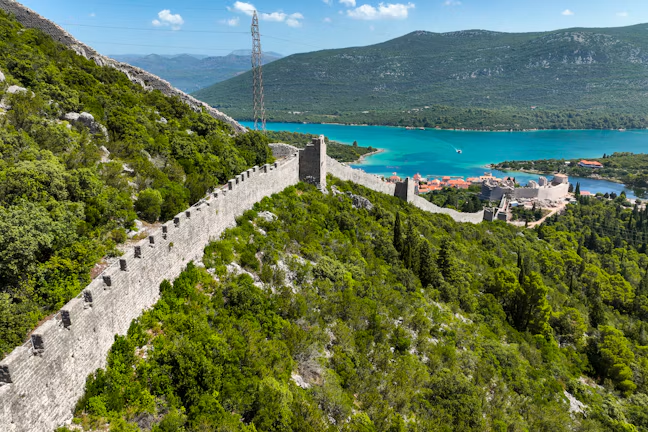
To protect this valuable salt industry, the Republic built the impressive Walls of Ston, a huge medieval defensive system stretching more than five kilometres between Ston and Mali Ston. Often nicknamed the “European Great Wall,” the fortifications still dominate the landscape today and remain one of the longest preserved wall systems in Europe.
But Ston’s history isn’t only tied to salt. The area also became famous for oyster farming, particularly in Mali Ston Bay where the calm, mineral-rich water creates the perfect environment for oysters and mussels. Locals have been farming shellfish here for centuries, and fresh oysters are still one of the biggest reasons travellers visit the region today.
Despite becoming more popular in recent years, Ston has managed to hold onto its old-world charm. Between the medieval streets, historic stone buildings, traditional konobas and seafood culture, the town feels far more authentic and laid-back than many of Croatia’s bigger coastal destinations.
Best Way to Get to Ston
The easiest way to reach Ston is by flying into Dubrovnik Airport and continuing north by car. The drive from Dubrovnik takes around one hour and follows the scenic Adriatic coastline before crossing onto the Pelješac Peninsula. Since the opening of the Pelješac Bridge, travellers can now drive directly from mainland Croatia into the peninsula without needing to pass through Bosnia and Herzegovina, making the journey significantly smoother.
For visitors already travelling through Croatia, Ston is commonly visited as part of a road trip between Dubrovnik, Korčula and the Pelješac wine region. Driving is the best option if you want flexibility to explore nearby beaches, wineries and smaller villages scattered across the peninsula. Parking in Ston is relatively straightforward compared to larger Croatian towns, especially outside peak summer months.
Public buses also connect Ston with Dubrovnik, Split and other Dalmatian towns. Services increase during summer, though schedules can be more limited in the off-season. While buses are affordable, renting a car is highly recommended if you plan to explore beyond the old town.
Although Ston itself is not a major ferry port, nearby connections make island hopping easy. Ferries depart from nearby Prapratno to Mljet Island, while Orebić offers regular services to Korčula. Many travellers combine Ston with visits to both islands during longer Dalmatian itineraries.
Once in Ston, the old town is compact and very walkable. Most restaurants, cafés and historic sites can easily be explored on foot. For beaches, wineries and countryside villages around the Pelješac Peninsula, hiring a car or renting an e-bike is the most convenient way to get around.
Things to Do in Ston
1. Walk the Walls of Ston
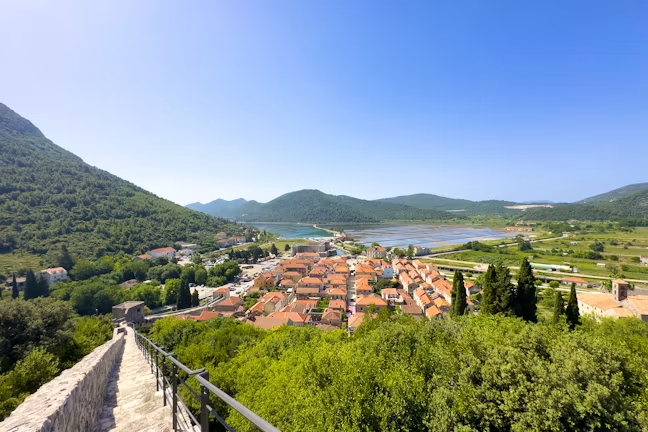
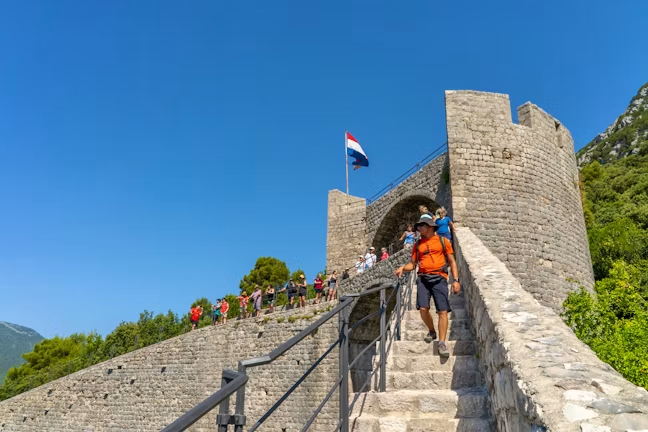
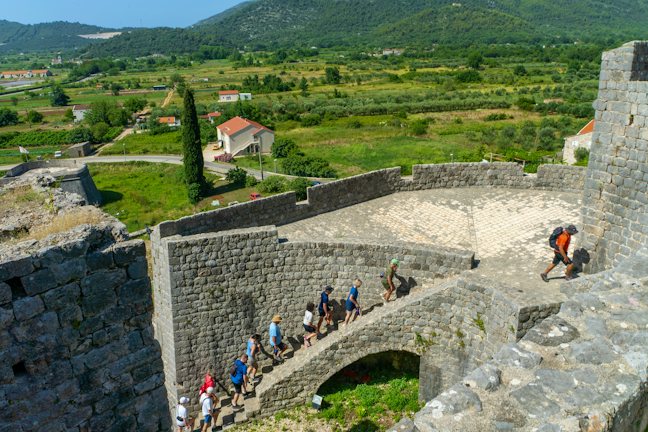
The Walls of Ston are the town’s most famous attraction and one of the most impressive medieval fortification systems in Europe. Stretching across the hillside between Ston and Mali Ston, the walls offer panoramic views over the rooftops, salt pans, coastline and surrounding mountains.
The walk can be steep and physically demanding in sections, particularly during summer, but the views make it worthwhile. Early morning or late afternoon is the best time to visit to avoid the heat and crowds. The full route takes roughly one to two hours, depending on pace and how many stops you make along the way. Walking along the Walls of Ston is one of our guests favourite parts of our Hike Croatia Cruise.
2. Visit the Historic Salt Pans
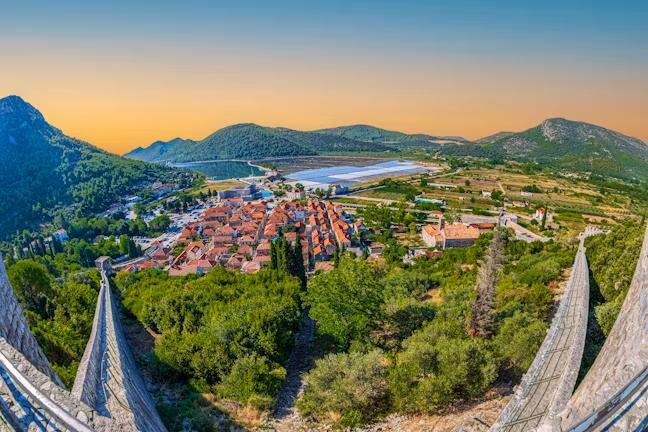
The Ston Salt Works are among the oldest active salt pans in Europe and have been operating for more than 700 years. Salt production shaped the town’s wealth and importance during the Dubrovnik Republic, and the site still uses traditional harvesting methods today.
Visitors can walk around sections of the salt pans and learn about the historical process of collecting sea salt. Depending on the season, you may even see workers actively harvesting salt from the shallow pools. The geometric patterns and reflective water also make this one of the most photogenic spots in Ston - so be sure to pack your camera.
3. Take an Oyster Farm Tour in Mali Ston
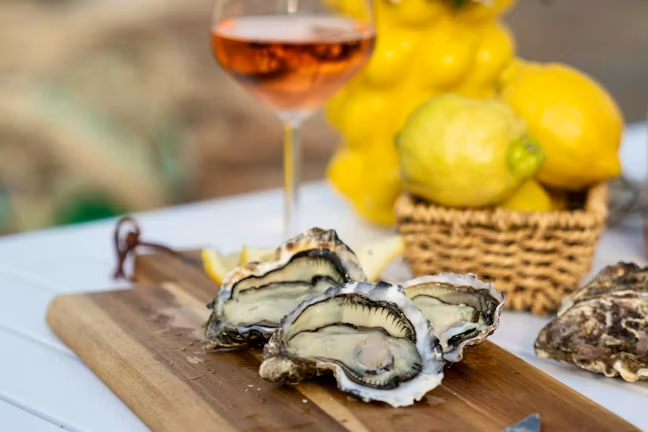
One of the most unique experiences in Ston is visiting a working oyster farm in Mali Ston Bay. Local families have been farming oysters here for generations, thanks to the bay’s clean, nutrient-rich water.
Most tours involve a short boat ride out onto the bay, where guides explain the farming process before opening oysters fresh from the sea. Many tours include local white wine and mussels cooked onboard. Even visitors who normally do not eat oysters often try them here due to their freshness. Spring is considered the best season for oysters, though tours operate throughout much of the year.
4. Explore Mali Ston
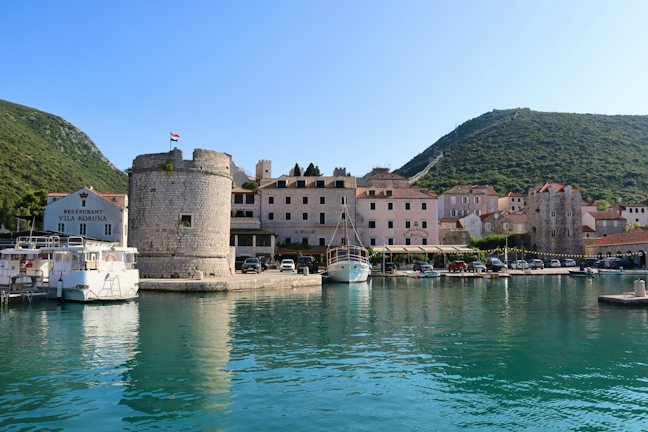
Connected to Ston by the medieval walls, Mali Ston is smaller, quieter and incredibly picturesque. The tiny waterfront village is known for its seafood restaurants, stone houses and relaxed atmosphere.
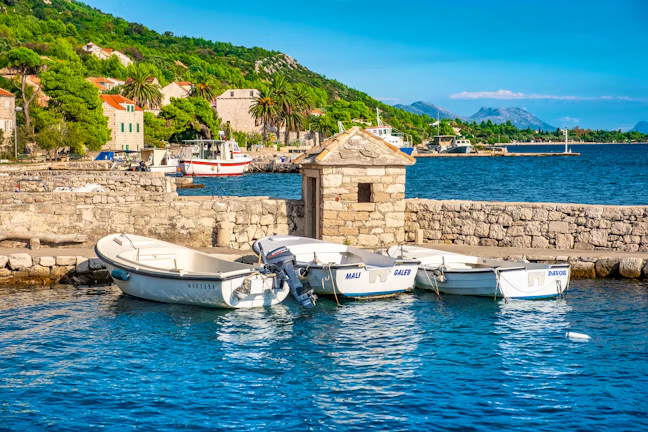
Walking between Ston and Mali Ston is one of the best ways to experience the area. Along the waterfront, you’ll find boats tied to the harbour, local restaurants serving oysters and mussels, and beautiful sunset views across the bay.
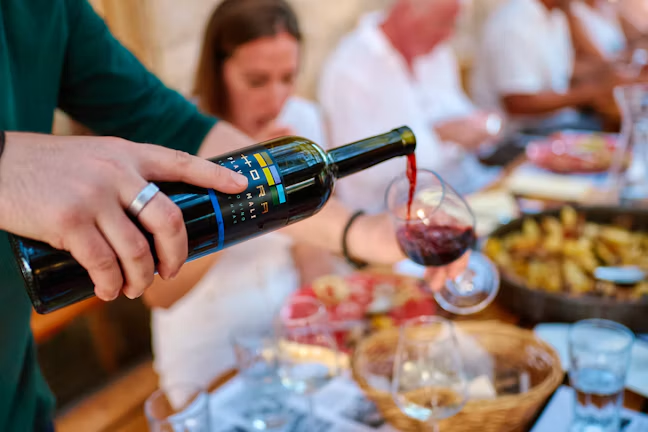
5. Go Wine Tasting Around the Pelješac Peninsula
The Pelješac Peninsula is one of Croatia’s best wine regions and is especially known for Plavac Mali, a bold red grape variety grown on steep coastal vineyards. Many wineries around Potomje, Janjina and Dingac offer tastings, cellar tours and vineyard experiences.
Several wineries are family-owned and produce wine in relatively small quantities, making the experience feel more personal compared to larger wine regions in Europe. Pairing local wine with oysters or seafood is considered one of the signature food experiences of southern Croatia.
Joining a small wine tour or driving through the peninsula yourself are both popular options.
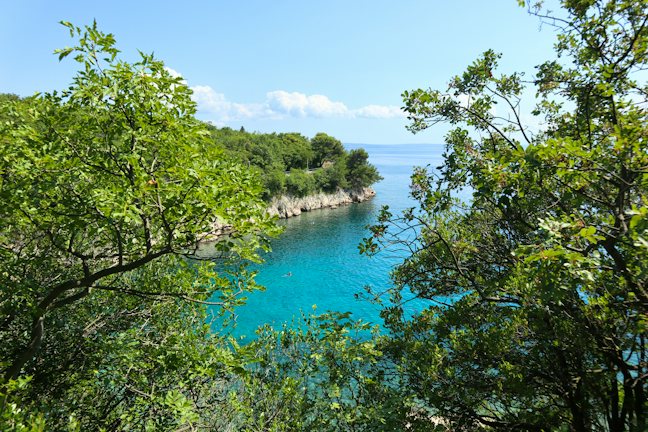
6. Visit Prapratno Bay
Located just outside Ston, Prapratno Bay is known for having one of the rare sandy beaches in Croatia. The shallow turquoise water makes it especially popular with families during the summer.
The bay is surrounded by pine trees and has a much more relaxed atmosphere than many beaches closer to Dubrovnik. There’s also a campsite nearby and ferry services departing to Mljet Island, making it a convenient stop for travellers continuing their journey.
Many visitors spend the morning in Ston before heading to Prapratno for an afternoon swim.
7. Try Traditional Ston Cake
One of Ston’s lesser-known specialities is Ston Cake, a traditional dessert dating back centuries. Unlike typical Croatian cakes, it combines pasta, chocolate, walnuts, cinnamon and citrus flavours into a surprisingly rich baked dessert.
It was traditionally served during celebrations and weddings and remains an important part of local culinary heritage. Some family-run konobas and bakeries still prepare it using old recipes passed down through generations.
Trying Ston Cake is one of the more unique cultural experiences in the town and something many tourists completely overlook.
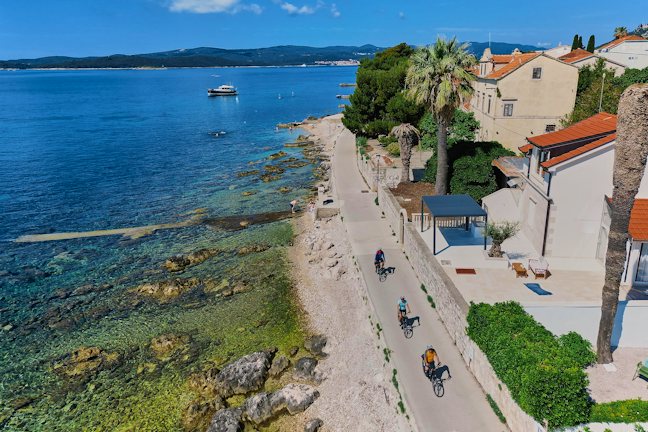
8. Cycle Through the Pelješac Countryside
The Pelješac Peninsula is ideal for cycling thanks to its quiet roads, vineyard landscapes and coastal scenery. Routes pass olive groves, stone villages and hidden coves that are difficult to access by public transport.
E-bike rentals have become increasingly popular during the summer, especially for visitors wanting to explore the region without driving. Cycling between wineries and beaches is one of the best ways to experience the slower pace of life around Ston. This route is one of the highlights of our Cycle Cruise.
9. Visit During the Oyster Festival
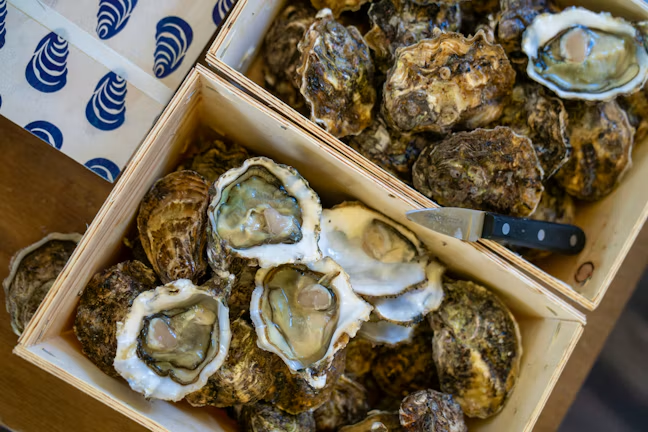
Every March, Ston hosts the annual Oyster Festival, celebrating the region’s famous shellfish culture. Restaurants and oyster farms across Mali Ston serve fresh oysters alongside local wine, live music and traditional Dalmatian food.
The festival attracts both locals and international visitors and offers a more authentic atmosphere than Croatia’s larger summer events. If you’re visiting during spring, it’s one of the best times to experience the town’s culinary culture.
10. Watch Sunset from Podzvizd Fortress
While many visitors only walk part of the main wall route, fewer continue toward Podzvizd Fortress overlooking the town. The elevated viewpoint offers some of the best sunset views in the area, particularly over the salt pans and the surrounding coastline.
The golden light reflecting across the stone walls and water creates incredible photo opportunities in the evening. Bringing water and comfortable shoes is recommended, especially during warmer months.
Top Bars in Ston
Caffe Bar Viva
Located near the centre of Ston, Caffe Bar Viva is one of the town’s main casual meeting spots. During the day, people stop here for coffee and cold drinks after walking the walls, while evenings become more social with cocktails, wine and outdoor seating filling up during summer. It has a relaxed local atmosphere rather than a party vibe, making it a good place to start the evening.
Kapetanova Kuća
Although best known as one of Mali Ston’s iconic seafood restaurants, Kapetanova Kuća is also a great place for waterfront drinks. Many visitors come here in the late afternoon for local Pelješac wine while watching the sunset over the bay. The terrace setting and seafood-focused menu make it particularly popular for couples and slower evenings by the water.

Bakus Wine Bar
Bakus focuses heavily on local Croatian wines, particularly varieties from the Pelješac Peninsula. The atmosphere is intimate and relaxed, making it ideal for trying regional wines you may not find elsewhere in Croatia. Staff are usually knowledgeable about local vineyards and can recommend pairings with Dalmatian snacks and seafood.
Villa Koruna Wine Bar
Villa Koruna offers a quieter alternative to some of the busier waterfront venues. Known for its local wines and laid-back atmosphere, it’s a good option for travellers wanting a slower evening overlooking the bay. The sunset views here are particularly beautiful during the summer.

Where to Eat in Ston
Bota Šare
Bota Šare is one of the most famous seafood restaurants in the region and has become almost synonymous with Mali Ston oysters. The restaurant specialises in fresh shellfish, black risotto, grilled fish and traditional Dalmatian seafood dishes, all paired with local Pelješac wines.
Its waterfront location and long-standing reputation make it one of the busiest restaurants in the area during summer, so reservations are highly recommended.
Kapetanova Kuća
Kapetanova Kuća is a longtime favourite known for high-quality oysters and mussels harvested directly from Mali Ston Bay. The restaurant combines traditional Dalmatian cooking with a refined atmosphere, making it popular for romantic dinners and special occasions.
The outdoor terrace overlooking the water is one of the best dining settings in the area, especially around sunset.
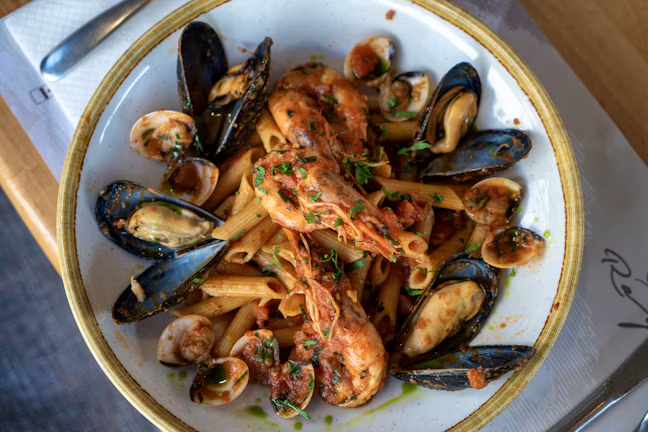
Oysters Antonio
For a more local and authentic experience, Oysters Antonio is a fantastic choice. Located slightly outside the main tourist centre, the restaurant focuses on incredibly fresh oysters and simple seafood dishes prepared without unnecessary extras.
Many visitors stop here after oyster farm tours, and the casual setting makes it feel more personal and less touristy than some larger waterfront venues.
Konoba Bakus
Konoba Bakus serves traditional Dalmatian food in a rustic stone setting inside Ston’s old town. The menu includes grilled seafood, octopus, local meats and homemade Croatian dishes paired with Pelješac wines.
Its central location makes it a convenient option after exploring the walls or salt pans, and the atmosphere feels more traditional than modern waterfront restaurants.
Konoba Maestral
Konoba Maestral is a more relaxed and affordable option popular with both locals and travellers. The restaurant serves classic Croatian comfort food alongside grilled fish, seafood pasta and local wine.
The laid-back atmosphere and outdoor seating make it ideal for a slower lunch or casual dinner after a day exploring the peninsula.

Where to Stay in Ston
Most visitors choose between staying in Ston itself, neighbouring Mali Ston or elsewhere around the Pelješac Peninsula, depending on the type of trip they want.
Ston Old Town is the best option for travellers wanting to stay close to the historic sites, restaurants and walls. Accommodation here mainly consists of boutique apartments, small guesthouses and renovated stone buildings tucked within the old streets. Staying in the old town allows you to explore most of Ston on foot and experience the atmosphere once day-trippers leave in the evening.
Mali Ston offers a quieter and more romantic atmosphere with small waterfront guesthouses and family-run accommodation overlooking the bay. This area is particularly popular with couples and food-focused travellers wanting easy access to seafood restaurants and oyster farms.
Prapratno is better suited to beach-focused stays and families visiting during the summer. The area is known for its sandy beach, campsite and easy ferry access to Mljet Island. Accommodation ranges from apartments and campsites to holiday homes surrounded by pine trees.
Further across the Pelješac Peninsula, visitors can also stay among the vineyards and countryside villages. These stays are ideal for wine lovers and travellers wanting a slower, more rural experience. Many properties include stone villas, winery accommodation and boutique countryside retreats with sea views.
Because Ston is relatively small, accommodation can book out quickly during peak summer months, especially in July and August. Booking in advance is highly recommended.
Visit the Best Beaches in Ston
Žuljana Beach
Žuljana Beach is one of the most popular beaches on the Pelješac Peninsula thanks to its calm water, laid-back atmosphere and beautiful coastal setting. The beach is family-friendly and surrounded by cafés, small restaurants and pine trees offering natural shade during summer.
Vučine Beach
Located near Žuljana, Vučine Beach is known for its incredibly clear turquoise water and quieter atmosphere. The beach feels more secluded than many others in the area and is popular with travellers wanting a more peaceful swimming spot.
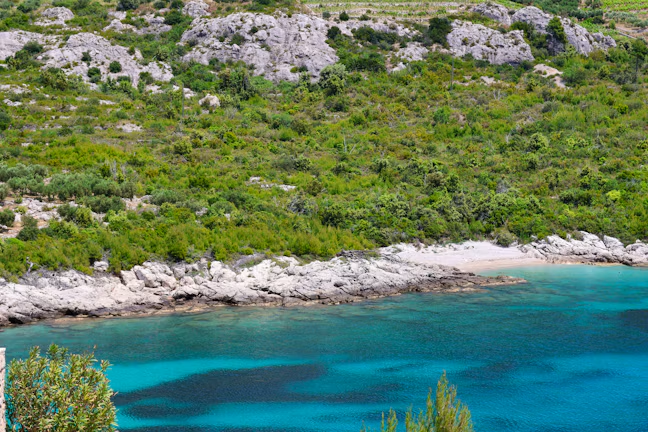
Divna Beach
Often considered one of the most beautiful beaches on the Pelješac Peninsula, Divna Beach combines crystal-clear water with dramatic mountain scenery and pine forest surroundings. The beach is more remote, which helps it maintain a quieter atmosphere even during summer.
Mokalo Beach
Located near Orebić, Mokalo Beach is popular for swimming, paddleboarding and beach bars. The area also has campsites and accommodation nearby, making it a lively beach destination during peak season.
Jezero Beach
Jezero Beach is one of the quieter options around the peninsula and is ideal for travellers wanting to escape larger crowds. The peaceful surroundings and clear water make it particularly good for relaxing beach days and snorkelling.
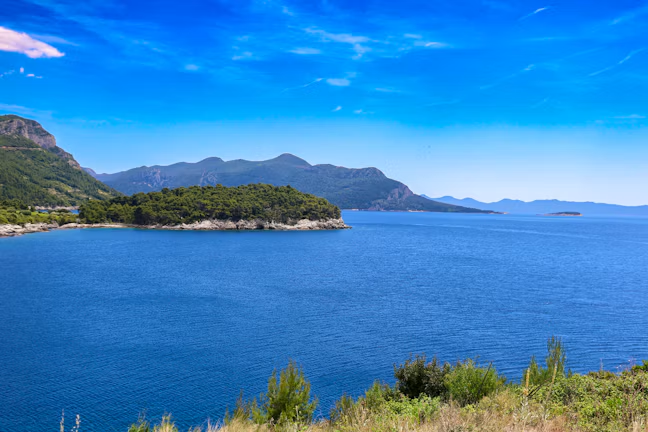
With its medieval walls, fresh oysters, historic salt pans and laid-back coastal atmosphere, Ston offers a completely different side of Croatia compared to the country’s busier island and resort destinations. Whether you’re spending the day wine tasting across the Pelješac Peninsula, swimming in nearby bays or wandering through centuries-old stone streets, the town combines history, food and natural beauty in a way that feels both authentic and understated.
For travellers exploring southern Croatia by sea, Ston also makes an incredible addition to a Private Yacht Tour. Its location near Dubrovnik, Korčula and Mljet makes it an easy stop along the Adriatic coast, while the surrounding bays, waterfront restaurants and oyster farms offer a more local and relaxed experience away from the larger tourist hubs.