Set in the heart of the Dalmatian islands, Brač offers a unique balance of exploring, relaxing and activities. It’s home to one of the country’s most recognisable beaches, yet much of the island remains quiet, shaped by olive groves, stone villages, and a slower, more grounded way of life.
At first glance, Brač is all about its coastline, and it’s not hard to know why once you see that mesmerisingly clear water and rugged cliffs. But moving beyond the shoreline reveals a different side: historic settlements, local food traditions, and landscapes that feel largely unchanged. This contrast is what gives the island its depth, and makes it an island you absolutely have to add to your Croatia itinerary.
History of Brač
Brač is one of the Adriatic’s most historically layered islands, shaped by Illyrian settlers, Roman expansion, and later Venetian and Austro-Hungarian influence. While much of the coastline today is associated with beaches and summer travel, the island’s interior tells an ancient story of agriculture, stonework, and self-sufficient communities that have existed here for centuries.
The island’s identity is closely tied to Brač stone, a bright white limestone that has been quarried since Roman times. Its quality makes it highly sought after, and it continues to define the island visually- yep, that’s the material you see everywhere in towns like Pučišća. Visiting these places offers a valuable look into the art of preservation and is a real treat for history and architecture lovers alike.
Best Way to Get to Brač
Most visitors arrive via Split, with regular ferries running to Supetar (the island’s main entry point). This route naturally lends itself to a broader exploration of the island, as Supetar sits within easy reach of multiple regions.
Alternatively, you can jump on a catamaran that takes you directly to Bol, offering a more streamlined route to the southern coast. Both are good options - arriving in Bol tends to centre your time there, while Supetar makes it easier to move around.
Make sure you have your camera ready, because approaching Brač by sea gives an immediate sense of its scale - larger and more varied than many expect. Once on the island, distances between key spots make it well worth having a reliable way to get around.
Renting a car or scooter opens up the island far beyond its main towns, making it possible to reach places like inland villages, quieter beaches, and wineries at your own pace. Local buses do connect key areas such as Supetar and Bol, though they run on a limited schedule and are less suited to spontaneous stops. Taxis and transfers are available, but for a more flexible itinerary, most travellers find that having their own transport allows them to experience the island more fully.
Things to Do on Brač
1. Visit Zlatni Rat Beach (Golden Horn)
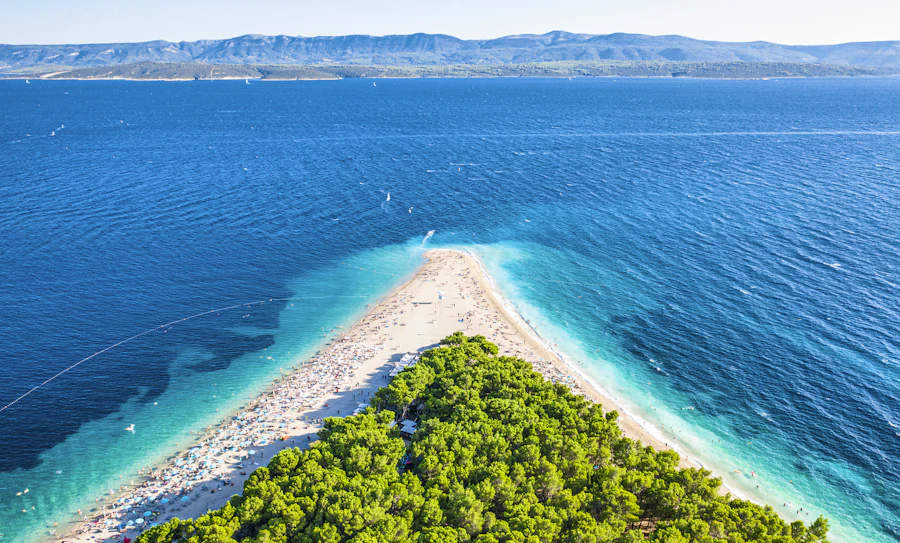
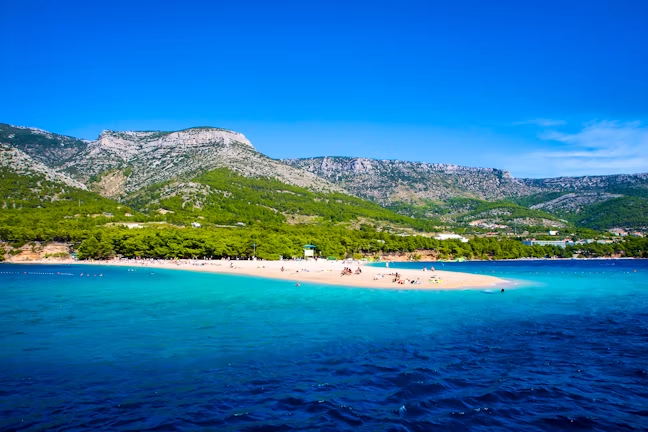
Zlatni Rat is often the first image associated with Brač, but experiencing it in person reveals so much more than the typical aerial view suggests. The beach stretches out into the sea like a shifting peninsula, and if you watch for long enough, you’ll see the tip subtly moving around with the wind and current. One side is usually calmer, while the other catches more wind, creating a natural divide between relaxed swimming and water sports. The further you move along the shoreline, the more the energy changes, so choose a spot near the entrance for a social vibe, or keep moving towards the pine trees for a bit of peace and quiet. It’s no surprise that this is one of Croatia’s best beaches!
2. Hike or Drive to Vidova Gora
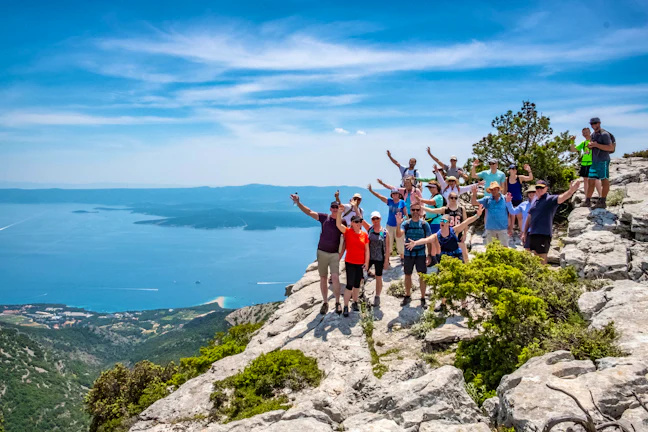
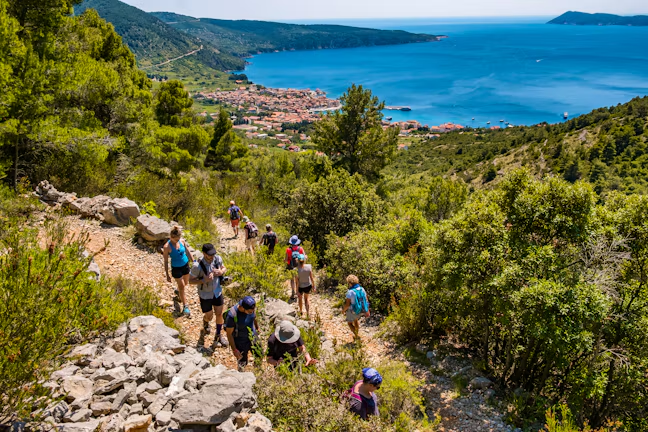
At 778 metres high, Vidova Gora offers one of the most expansive vantage points in the Adriatic. The journey up is almost as breathtaking as the summit, and you’ll be able to watch the landscape slowly transition from shaded forest paths to exposed rock with wide, uninterrupted views. This is definitely a spot you want to save for sunset, because golden hour brings out the impressive contrasts between land and sea. On a clear day, you can even see the island of Hvar sitting out on the horizon. It’s one of Croatia’s best hikes and well worth adding to your itinerary.
3. Explore Blaca Hermitage
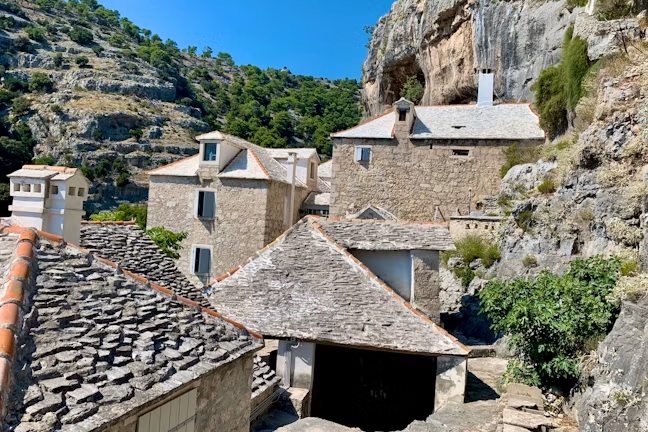
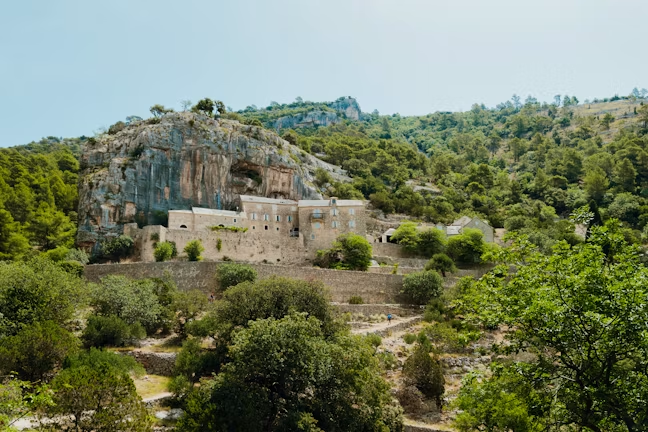
Blaca Hermitage is a 16th-century monastery and former observatory set deep within the side of a canyon. While the structure itself is striking, much of the experience lies in reaching it, following a rugged path through a quiet, rocky landscape that feels far removed from the coastline.
Founded by monks seeking isolation, it evolved into a surprisingly advanced intellectual centre. Walking through its rooms reveals a mix of religious artefacts, scientific instruments, and everyday objects, offering insight into a self-contained way of life that existed here for centuries. This is one of the fan-favourite hikes on our Hike Croatia Cruise.
4. Wander Pučišća Village
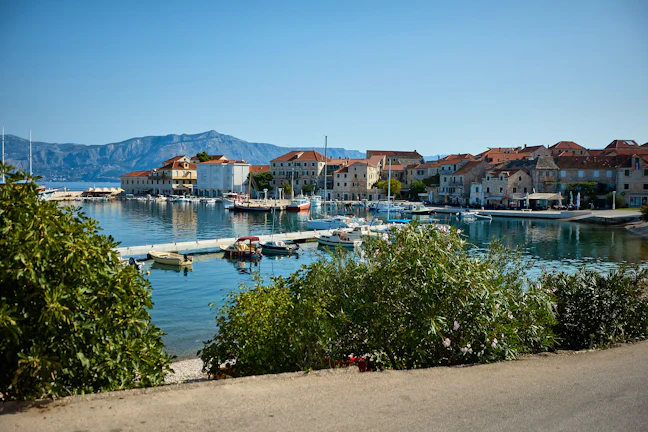
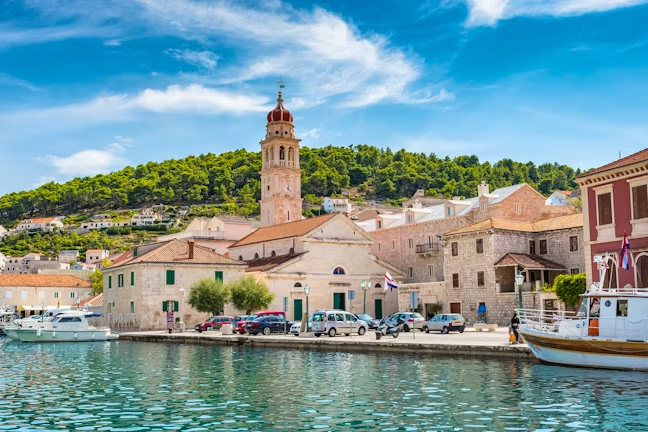
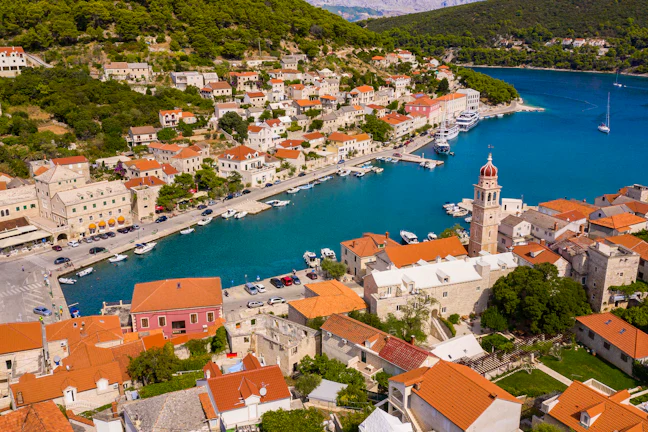
Pučišća is a small harbour town on the northern coast of Brač, widely considered one of the most picturesque villages in Croatia. Built almost entirely from the island’s famous white limestone, the town has a clean, uniform look that immediately sets it apart, with stone houses clustered tightly around a deep, sheltered bay.
The atmosphere is calm and unhurried along the waterfront, but once you head further uphill, the true local rhythm comes alive. This strong sense of craftsmanship runs throughout the town and is closely tied to its history; after all, Pučišća is home to a renowned stonemasonry school. You can really see the influence of this in the precision of the architecture, from larger buildings down to the smallest details in doorways and facades.
While you’re here, it’s worth heading a little further north to the village of Milna. Known for its sheltered harbour and laid-back feel, it’s a natural stop if you’re exploring this side of the island. The waterfront is lined with a handful of restaurants and cafes, making it an easy place to settle in for a few hours or stretch into a long, relaxed lunch by the water.
5. Take a Boat Trip to Hidden Coves
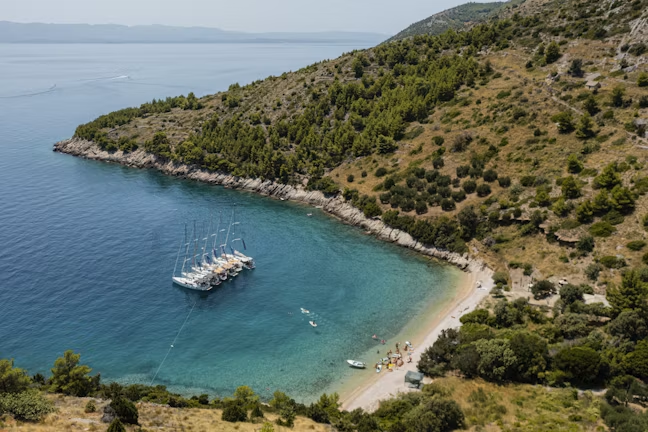
Looking out at Brač from the water gives a whole new perspective of the island. The southern coastline in particular is defined by cliffs and small, protected bays where the water takes on deeper shades of blue. Many of these spots are inaccessible by road, which naturally limits crowds and gives each stop a more secluded feel.
If you want to see the real rugged and less developed side of the island, a boat trip is absolutely worth adding to your itinerary - and the swim stops are postcard perfect.
6. Go Wine Tasting at Local Wineries
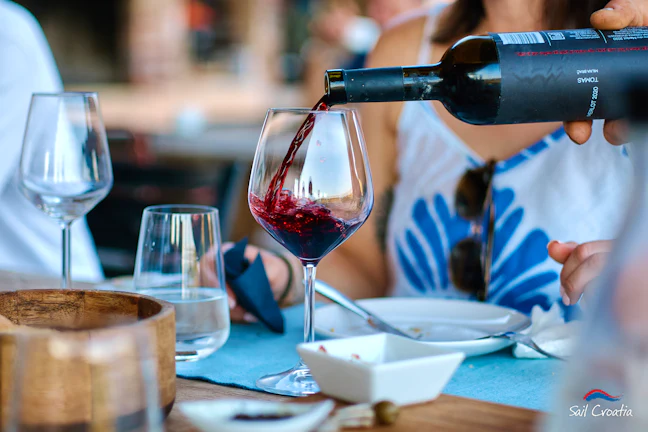
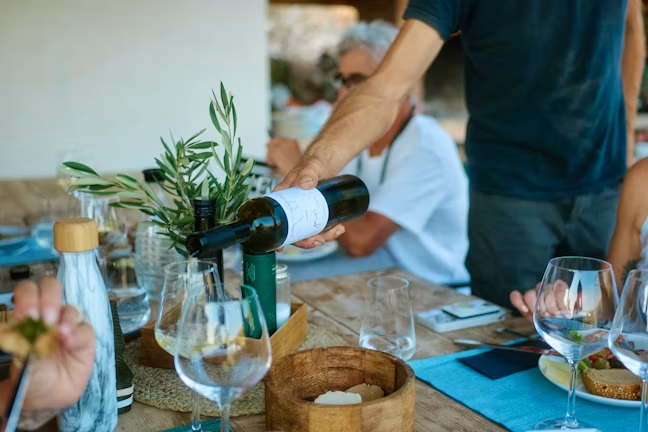
Brač’s wine scene is small-scale and closely tied to its landscape, where the wines reflect the sun, stone and sea air. Inland wineries are often set among olive groves and rolling hills, where tastings feel informal and personal rather than structured.
Many of these wineries are family-run, so visits tend to be more rewarding when planned ahead. Don’t be surprised if they turn into longer, more immersive tastings that include local olive oil, cheese, and simple homemade dishes. Pairing a winery visit with a drive through the island’s interior also adds context, as the scenery shifts noticeably away from the coastline and gives a better sense of how connected the food and wine are to the land itself.
7. Visit the Olive Oil Museum in Škrip
Set in Škrip, the Olive Oil Museum offers insight into a tradition that dates back to ancient Greek and Roman times, when olive cultivation first became a central part of life on Brač. Housed within a traditional stone building, the museum traces the evolution of olive oil production over centuries, showcasing original tools, presses, and methods that were once essential to everyday living on the island.
Škrip itself is the oldest settlement on Brač, and its quiet streets and stone houses add depth to what you see inside. Many visits also include tastings, allowing you to sample locally produced oils and understand the nuances in flavour shaped by the island’s climate and terrain. It’s definitely worth spending time in the village alongside the museum to get a more complete picture of how deeply connected this tradition still is to life on Brač today.

8. Try Windsurfing or Kitesurfing in Bol
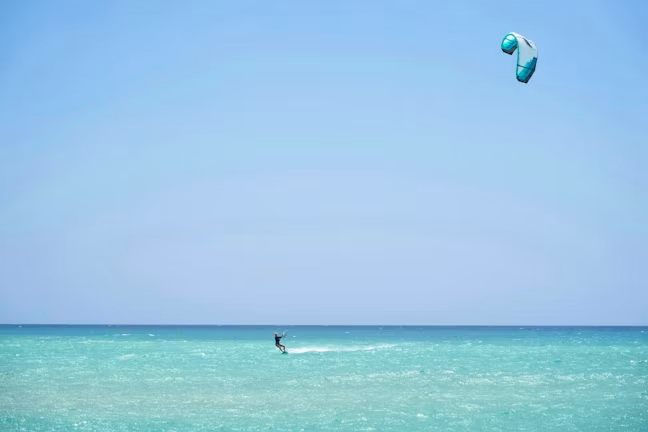
Bol’s coastline creates ideal conditions for wind-based water sports, particularly as the day progresses and the breeze builds. The mornings always begin calm and clear, but these beaches gradually transform into the perfect playground for sails and kites.
The best place to be for these sports is the stretch between Borak Beach and Zlatni Rat, where conditions are consistent, and there’s enough space for both beginners and experienced riders. Along this area, you’ll find several established rental centres and schools offering equipment hire, lessons, and guided sessions, making it easy to get started even if you’ve never tried it before. The wind typically strengthens in the afternoon, which suits more experienced surfers, while mornings tend to be calmer and better for learning or practising technique.
9. Swim at Lovrečina Bay
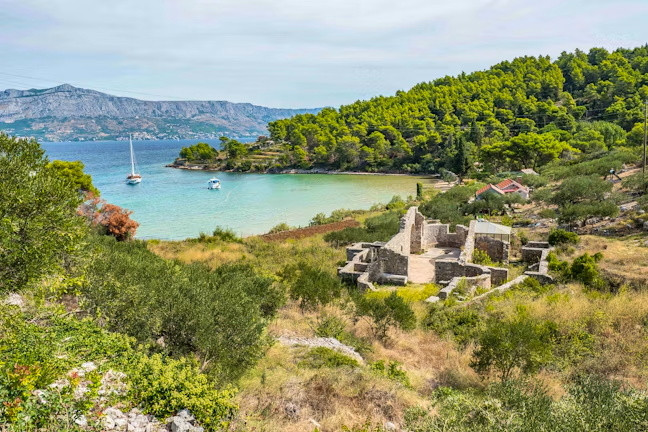
Lovrečina feels noticeably different from most of Brač’s beaches. One of the island’s few sandy spots, it slopes gently into shallow, clear water, creating a more relaxed and accessible swimming experience.
Its slightly removed location keeps the atmosphere more laid-back, with fewer crowds and a slower pace throughout the day. Just behind the beach, you’ll also find the remains of a Roman villa, adding a subtle historical layer to the setting. With limited development and plenty of space to spread out, it’s the kind of place where time naturally stretches, and a quick swim easily turns into a full afternoon by the water.
10. Explore Dragon’s Cave (Zmajeva Špilja)
Tucked into the rocky slopes above Brač’s southern coast, Dragon’s Cave is one of the island’s more unusual and lesser-visited sites. Carved into the stone by monks centuries ago, the cave features a series of intricate symbols - you’ll find dragons, moons, and religious figures all appearing side by side.
Reaching it involves a guided walk through a quiet, rugged landscape, which adds to the sense of separation from the busier parts of the island. Once you step inside the cave, you can’t help but notice the sense of calm and reflection that takes over the place. Take your time here, because there truly is something special about this historical site.
Top Bars in Brač
Varadero (Bol)
Varadero sits at the centre of Bol’s nightlife and is one of the most well-known bars in the area. It’s the place to go if you’re looking for music and a fun crowd. It works just as well for a quick drink as it does for a longer night, often becoming a natural meeting point before moving elsewhere - or not moving on at all.
Bolero Cocktail Bar (Bol)
If you’re dreaming of drinking cocktails by the water, Bolero is where you want to be. It’s the perfect place to start your evening and as the daylight fades, the atmosphere picks up. Our recommendation would be to take a seat here just in time for sunset and make the most of the golden hour before heading into town for dinner.

Auro Beach Club (Bol)
Auro introduces a more curated nightlife experience, with DJs, lighting, and a whole set-up that is built to impress. Compared to other venues on the island, it feels more structured, with a clearer shift from relaxed evening into a more energetic late-night scene. It's also in a prime location right on the beach, so you’re guaranteed good views and a cool sea breeze.
Benny’s Bar (Supetar)
In Supetar, Benny’s offers a more authentic nightlife experience. The crowd is more mixed, the setting more casual, and the overall feel less driven by tourism. Evenings here tend to unfold more gradually, often centred around conversation and familiarity rather than high energy, making it a good contrast to Bol’s busier nightlife.
Senjković Wine Bar (Inland)
Away from the coast, Senjković offers a quieter alternative where the focus shifts to wine, conversation, and setting. Surrounded by the island’s interior landscape, the experience feels more intentional and slower-paced, often extending into a full evening rather than just a stop for drinks. It’s less about nightlife in the traditional sense and more about atmosphere and connection.
Where to Eat in Brač
Konoba Kopačina (Donji Humac)
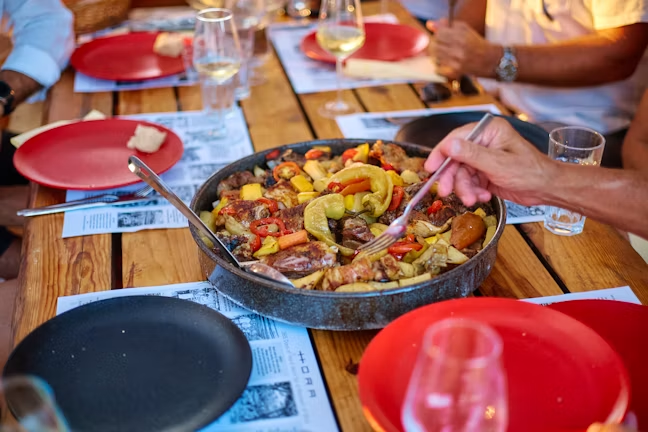
Kopačina is rooted in tradition, both in its setting and its menu. Dishes like peka are prepared slowly, often over several hours, resulting in rich, layered flavours that reflect a more rural way of cooking. The location inland adds to the experience, creating a sense of separation from the busier coastal areas.
Ranc Restaurant (Supetar)
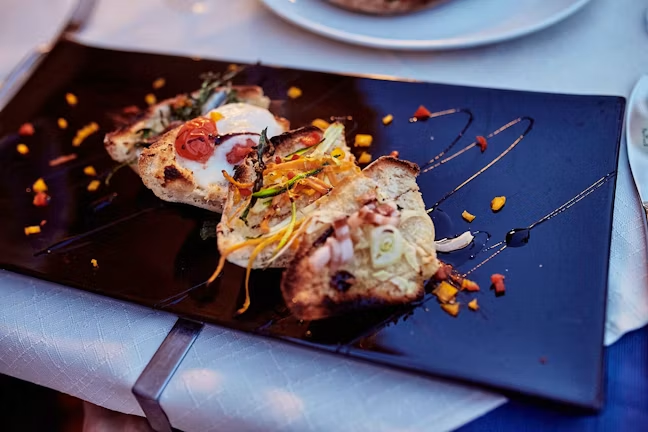
Ranc offers a slightly more contemporary take on Croatian cuisine, balancing familiar flavours with more refined presentation. The menu moves comfortably between meat, seafood, and lighter options, making it a versatile choice within Supetar’s dining scene.
Konoba Dalmatino (Bol)
Dalmatino focuses on simplicity, where the quality of ingredients shapes the meal more than complex preparation. The atmosphere is relaxed, and the experience often feels guided by what’s freshest rather than strictly following a fixed menu.
Mendula Restaurant (Bol)
Mendula leans towards a more polished dining experience, particularly with seafood. The setting feels considered without being formal, allowing for a slower meal that still reflects the island’s overall ease.
Konoba Toni (Bol)
Toni’s appeal lies in its understated nature. The food is generous, the setting informal, and the experience more personal, offering a contrast to the busier, more visible restaurants nearby.
Where to Stay in Brač
Bol is the most popular choice, particularly if your focus is on beaches and a more social atmosphere. It’s home to the iconic beach Zlatni Rat, as well as a long promenade lined with restaurants, bars, and beach spots. Accommodation here ranges from hotels to apartments, many within walking distance of both the beach and nightlife, making it easy to move around without much planning. Staying closer to the town centre puts you near bars like Varadero and Bolero, while spots further along the promenade offer a quieter, more scenic base with easy beach access.
Supetar, as the main ferry port, offers the most convenience and a broader, more local feel. Its waterfront is lined with cafes and restaurants, and the town centre has a steady, lived-in atmosphere that continues beyond peak tourist hours. Accommodation is spread out slightly more than in Bol, but you’ll find plenty of options within walking distance of the harbour, beaches, and main streets. It’s a practical base if you’re planning to explore different parts of the island, with good transport connections and a more balanced pace between activity and downtime. Supetar is also the best option for families travelling Croatia as everything here is very accessible.
Pučišća provides a completely different experience. It’s commonly known as one of the prettiest villages in Europe and it’s not hard to understand why once you take a look at the white stone architecture. Accommodation here is often in traditional stone houses or smaller guesthouses, many with views over the water. There’s less focus on nightlife or organised activity, and more emphasis on atmosphere, scenery, and quiet exploration. It suits those looking to step away from busier areas and experience a more residential, visually distinctive side of Brač.
Visit the Best Beaches in Brač
Murvica Beach
Reached via a steeper descent from the road above, Murvica feels pretty remote and rugged. The cliffs above and vineyards nearby create a beautiful backdrop, while the quieter atmosphere sets it apart from more accessible beaches.
It’s just a short drive from Bol, followed by a walk down a rocky path, which naturally limits crowds. There are very few facilities, so be sure to bring enough water and anything you need for the day. The clarity of the water here is particularly striking, especially in the morning - it’s worth waking up early for!
Martinica Beach (Bol)
Positioned beside a Dominican monastery, Martinica is one of the more unique beaches on the island. The combination of architecture and sea gives it a more grounded feel and you can’t help but marvel at the surroundings.
It’s within easy walking distance from Bol, but tends to be quieter than Zlatni Rat due to its more tucked-away position. The beach is pebbled with clear, calm water, and its setting makes it feel more local and less transient.
Sumartin Beaches
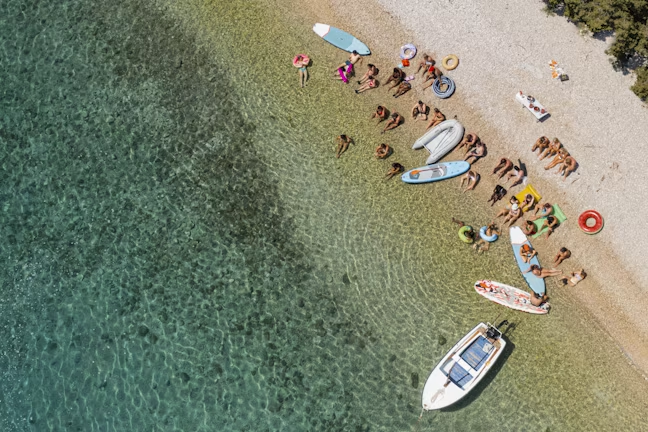
Along the eastern coast, beaches near Sumartin are more dispersed and less defined. You’ll find clear water, minimal development, and fewer people - the perfect recipe for a quiet beach day.
Reaching these beaches typically involves driving or exploring on foot from the town, with small coves appearing along the coastline. There’s little in the way of organised facilities, but that’s part of the appeal - these are the kinds of places where you arrive without a plan and stay longer than expected, simply because there’s no pressure to move on.
Brač is the kind of island where you can hit all the well-known highlights and there is still plenty of room to explore beyond them. You can tick off Zlatni Rat, spend an afternoon in Bol, and still have time to uncover quieter beaches, inland villages, and local spots that don’t make every itinerary. It’s easy to navigate, varied enough to keep things interesting, and rewards a bit of flexibility in how you plan your time.
Brač can easily be included as a stop on your Sail Croatia Private Yacht Tour, giving you the flexibility to explore its beaches, villages, and hidden coves at your own pace along the Dalmatian coast.